
How to Start Learning a Language
A calm, practical guide to starting a new language: how to take your first steps, build a routine you keep, and make real progress without burning out early.
 Lena Fischer · May 12, 2026
Start Here · Methods · Speaking · Vocabulary
Citiago is a practical guide to learning a language — getting started the right way, methods and habits that stick, real speaking and listening practice, and building vocabulary and grammar that lasts.
Featured
A calm, practical guide to starting a new language: how to take your first steps, build a routine you keep, and make real progress without burning out early.
Lena Fischer · May 12, 2026Latest
Fresh, plain-English guides, newest first.

Why the intermediate plateau feels like failure when it isn't, and practical ways to stay motivated when the fast early progress fades and improvement turns invisible.
 Hugo Alves

Dread the awkward silence in a new language? Practical ways to keep a conversation flowing, from open questions to buying time, so you never freeze mid-chat.
 Amara Diallo

Do you need a special talent to learn a language? Why the 'language gene' is mostly a myth, and what actually separates people who succeed from those who quit.
Hugo Alves

A practical approach to grammatical gender in a new language — why it exists, how to learn each noun's gender without memorizing charts, and how to stop fearing mistakes.
Amara Diallo

Shadowing means speaking along with native audio to absorb its rhythm and sounds. A step-by-step guide to doing it well and improving your accent and flow.
Hugo Alves

A simple day-by-day plan for your first week learning a language — the small, doable steps that build momentum and set up a habit you'll actually keep.
Amara Diallo
Browse by topic
Begin a language the smart way — choosing what to learn, setting realistic goals, and avoiding the mistakes that stall beginners.
ExploreStudy in a way that sticks — habits, spaced repetition, immersion, and honest looks at popular apps and methods.
ExploreGet past the fear of speaking — practical ways to practice, understand real speech, and sound more natural.
ExploreBuild the words and structures you actually use — how to learn vocabulary that lasts and make grammar less painful.
ExploreStart Here
Begin a language the smart way — choosing what to learn, setting realistic goals, and avoiding the mistakes that stall beginners.
Do you need a special talent to learn a language? Why the 'language gene' is mostly a myth, and what actually separates people who succeed from those who quit.
Hugo Alves
A simple day-by-day plan for your first week learning a language — the small, doable steps that build momentum and set up a habit you'll actually keep.
Amara Diallo

An honest look at how long it takes to learn a language — why the answer depends on your goal, the language, and the hours, and what timelines to actually expect.
Hugo Alves
Methods
Study in a way that sticks — habits, spaced repetition, immersion, and honest looks at popular apps and methods.
Why the intermediate plateau feels like failure when it isn't, and practical ways to stay motivated when the fast early progress fades and improvement turns invisible.
Hugo Alves

A beginner-friendly guide to comprehensible input: what it means, why understanding most of what you hear and read drives real progress, and how to find the right material.
Amara Diallo
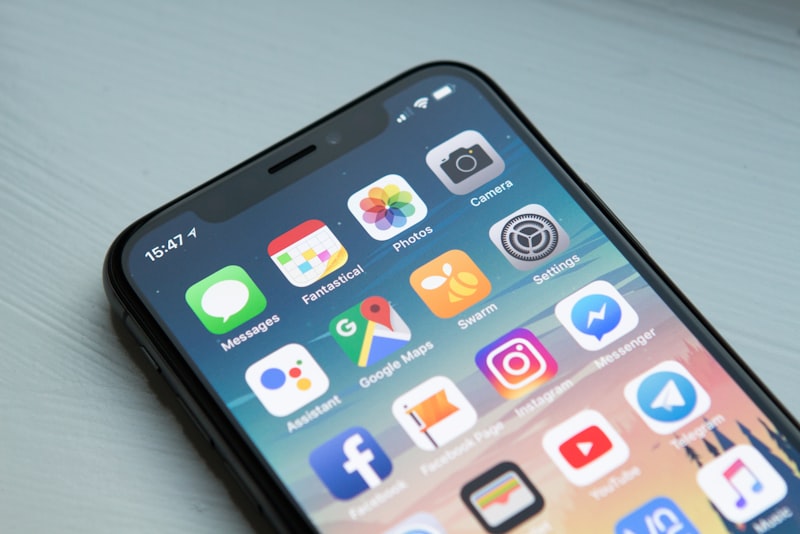
An honest look at whether apps like Duolingo can take you to fluency, what they do well, where they quietly fall short, and how to use them as one tool among several.
Lena Fischer
Speaking
Get past the fear of speaking — practical ways to practice, understand real speech, and sound more natural.
Dread the awkward silence in a new language? Practical ways to keep a conversation flowing, from open questions to buying time, so you never freeze mid-chat.
Amara Diallo
Shadowing means speaking along with native audio to absorb its rhythm and sounds. A step-by-step guide to doing it well and improving your accent and flow.
Hugo Alves

Sound less like a textbook and more like a real person. Practical ways to add natural fillers, chunks, and rhythm so your speech flows the way locals actually talk.
Amara Diallo
Vocabulary
Build the words and structures you actually use — how to learn vocabulary that lasts and make grammar less painful.
A practical approach to grammatical gender in a new language — why it exists, how to learn each noun's gender without memorizing charts, and how to stop fearing mistakes.
Amara Diallo

Why learning short phrases beats memorizing single words — how chunks make you sound natural, speak faster, and remember better, plus how to collect them as you go.
Hugo Alves

A clear, unintimidating guide to verb tenses in a new language — how to think about time, which tenses to learn first, and how to make them automatic through use.
Amara Diallo